Step-by-Step Guide for Foreigners Buying Property in Da Nang

Are you a foreigner looking to invest in Vietnam’s real estate? You’re on the path to getting a valuable asset in a beautiful coastal city. Da Nang, with its stunning beaches and growing economy, is a top choice for expatriates and investors.
Knowing the legal framework and process is key when buying property in Da Nang. Vietnam’s government has made it easier for foreigners to own property. This guide will help you through each step, ensuring a smooth transaction and helping you make a smart choice.
Key Takeaways
- Understand the legal requirements for foreigners to buy property in Da Nang.
- Learn about the different types of properties available for foreign ownership.
- Discover the necessary documents and procedures for a successful transaction.
- Get insights into the current market trends and future prospects.
- Navigate the process with confidence using our step-by-step guide.
Understanding the Vietnamese Real Estate Market
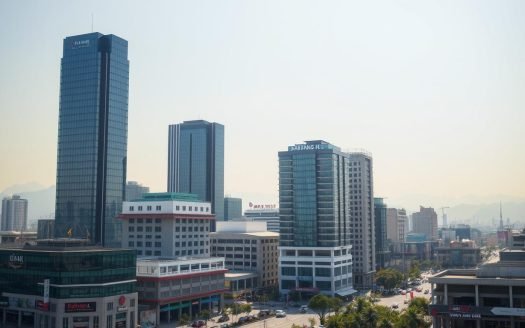
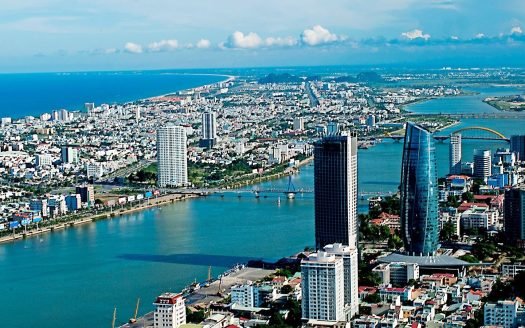
To buy property in Da Nang, you must know the Vietnamese real estate market. Da Nang, famous for its beautiful beaches and growing infrastructure, attracts foreign investors.
Overview of Da Nang’s Property Landscape
Da Nang’s property scene offers luxury condos, apartments, and villas. The city’s beachfront properties are highly sought after. This is due to tourism and the growing number of expats.
Key Trends for Foreign Buyers
Foreign buyers are leading the demand in Da Nang’s real estate. They focus on:
- Luxury apartments with modern amenities
- Beachfront condos with high rental yields
- Villas in gated communities with secure infrastructure
These trends show a move towards high-end properties. They offer a great lifestyle and investment opportunities.
Regulations Impacting Purchases
Foreign buyers need to understand the rules. Key regulations include:
- Ownership rights for foreigners, including the right to own properties for up to 50 years
- Land use rights and the need for a valid visa or residence permit
- Tax implications, including property transfer taxes and annual property taxes
Working with a trusted real estate agent is key. They know the rules to make buying smooth.
Legal Framework for Foreigners Purchasing Property
Da Nang has rules for foreign buyers of property. It’s important to know these laws to buy property smoothly.
Ownership Rights for Foreigners
Foreigners can own apartments and condos in Da Nang. But, they can’t own land directly. They can buy a property in a high-rise building, but the land is regulated.
Key Ownership Rights:
- Ownership of apartments and condominiums
- Long-term leases on land
- Inheritance and transfer of property
The Role of Land Use Rights
In Vietnam, land use rights are given by the state. Foreigners can get long-term leases, usually up to 50 years, with renewal options. It’s key for foreign buyers to understand this.
Land Use Rights Implications:
- Long-term control over the property
- Ability to use the property for various purposes (residential, commercial)
- Potential for renewal
Necessary Documentation for Transactions
To buy property in Da Nang, foreigners need certain documents. These include a valid passport, visa, and proof of funds. Having the right documents is essential for a successful deal.
| Document | Description |
|---|---|
| Valid Passport | Proof of identity and nationality |
| Visa | Legal entry and residence in Vietnam |
| Proof of Funds | Demonstrates financial capability for the purchase |
Finding the Right Apartment in Da Nang
Finding the perfect apartment in Da Nang is a mix of research, local knowledge, and the right tools. As a foreign buyer, you’re not just looking for a place to live. You’re investing in a property that can grow in value over time.
Popular Neighborhoods for Foreign Buyers
Da Nang’s neighborhoods offer different lifestyles, from the lively city center to the calm coastal areas. Some popular areas for foreign buyers include the coastal roads like Vo Nguyen Giap and Tran Huu Cung. These roads are known for their stunning ocean views and modern amenities.
- Coastal areas like My Khe and Non Nuoc are loved for their beautiful beaches and close proximity to international resorts.
- City center neighborhoods are great for their easy access to local markets, restaurants, and cultural sites.
Online Resources for Property Listings
The internet is a great tool for finding Da Nang apartments. Websites like Batdongsan, Propzy, and Muaban.net have a wide range of listings. You can filter your search by location, price, and property type, making it easier to find what you’re looking for.
When using online resources, it’s key to check if the listings are real and the sellers or agents are trustworthy.
Working with Local Real Estate Agents
Local real estate agents offer valuable insights into the Da Nang property market. They can guide you through the buying process, help with local regulations, and often know about properties not listed online. When selecting a real estate agent, choose someone with experience with foreign clients and who understands your needs.
Working with a local agent can also help you avoid common mistakes, like hidden fees or misunderstandings about ownership rights.
Financing Your Purchase in Da Nang
Foreign buyers in Da Nang face many financing choices. Knowing the financial side of buying an apartment is key for a smooth deal.
Options for Foreign Buyers
Foreign buyers have several financing options in Da Nang. These include:
- Using your savings or foreign income
- Obtaining a mortgage from a Vietnamese bank
- Exploring international financing options
Mortgage options are available for foreign buyers, but the process is complex. It’s important to research and compare different bank terms.
Understanding Vietnamese Currency
The Vietnamese Dong (VND) is the local currency. Knowing its dynamics is vital for your purchase. Be aware of current exchange rates and any changes that might affect your buying power.
Exchange rate risks can be managed with financial tools like forward contracts. Or, make payments in a stable currency. But, it’s wise to talk to financial experts to find the best approach for you.
Costs Involved in Buying an Apartment
When calculating the total cost of buying an apartment in Da Nang, consider more than just the purchase price. These include:
| Cost Type | Description | Estimated Amount |
|---|---|---|
| VAT (Value-Added Tax) | Tax on the purchase price of the apartment | Typically 10% |
| Registration Fees | Fees for registering the property | Usually 0.5% to 1% of the property value |
| Notary Fees | Fees for notarizing the sale agreement | Vary depending on the notary service |
Also, budget for additional costs like legal fees, property valuation fees, and other transaction-related expenses.
The Buying Process: Step-by-Step
As a foreign buyer, knowing the buying process in Da Nang is key. It includes several stages, from seeing properties to closing the deal. This journey is important for owning your dream apartment.
Initial Property Viewing and Negotiation
The first step is to see properties you might like. It’s important to have a good real estate agent. They can show you properties that match what you want.
When you find a property, it’s time to negotiate. This means talking about the price and sale terms with the seller. Be ready to negotiate, as it’s common in Vietnam. A local expert says, “Negotiation is not just about the price. It’s also about the sale terms.”
Drafting and Signing Contracts
After agreeing on a price, you’ll draft and sign a sales contract. This contract should have all the sale details, like price and payment terms. It’s important to have a lawyer check the contract to protect your interests.
“A well-drafted contract is your safeguard against disputes and ensures a smooth transaction.”
The contract will be in Vietnamese, but you can ask for a translation. This way, you’ll understand all the terms.
Closing the Deal
The final step is closing the deal. This means paying for the property and finishing any paperwork. Make sure you get the property’s ownership documents and that the sale is registered.
- Check the property’s ownership status.
- Make sure all documents are in order.
- Pay as agreed in the contract.
By following these steps and working with experts, you can buy with confidence. Remember, be patient and thorough for a successful deal.
Common Pitfalls to Avoid When Buying
To make sure your buying process goes smoothly, it’s key to know the common problems in Da Nang’s real estate market. Knowing these issues can save you time, money, and stress.
Misunderstandings About Ownership
One big problem for foreign buyers is not understanding ownership rights in Vietnam. In Vietnam, foreigners can own apartments but not the land they sit on. It’s important to know this to understand your legal rights.
- Leasehold vs. Freehold: Know the difference between leasehold and freehold properties.
- Ownership Rights: Make sure you understand what rights you have as a foreigner.
- Legal Documentation: Check that all legal papers are correct and clear.
Hidden Fees and Charges
Another common issue is not knowing all the fees involved in buying a property. There are costs beyond the purchase price that can quickly add up.
Some of these costs include:
- Transfer fees
- Registration fees
- Legal fees
- Taxes
Overlooking Local Regulations
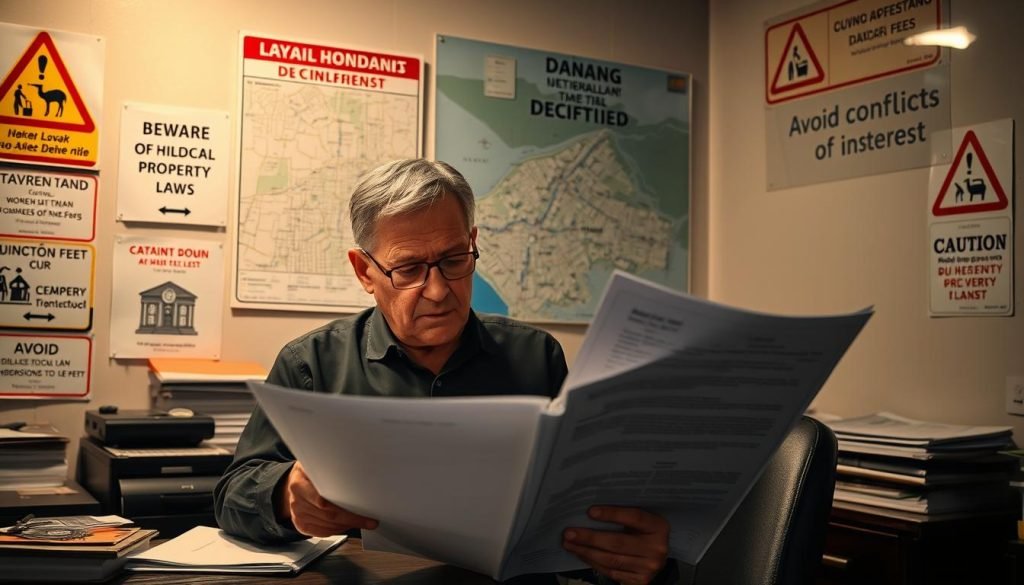
Local laws can greatly affect your property purchase. Not paying attention to or misunderstanding these laws can cause legal problems later.
Key areas to focus on include:
- Zoning Laws: Understand how zoning laws affect your property.
- Building Regulations: Know any building rules or restrictions.
- Environmental Regulations: Think about any environmental laws that might affect your property.
By knowing these common pitfalls, you can better navigate buying property in Da Nang.
Cultural Considerations While Buying Property
To buy property smoothly in Da Nang, knowing the local culture is key. It helps you move through the real estate market better.
Building Relationships with Locals
It’s important to build strong ties with locals. In Vietnamese culture, personal connections are more important than business deals. Investing time in building trust can get you better deals and a smoother process.
Go to local events, join expat groups, and take part in social activities. This helps you understand the local market better and get valuable advice from locals.
Understanding Vietnamese Customs
Vietnamese customs are vital in business, including property deals. Saving someone’s “face” is seen as polite and respectful. Avoid confrontational or aggressive negotiation tactics, as they can damage your relationship with the seller or agent.
Also, knowing about local customs like gift-giving and dining can help you build rapport. Simple actions like learning a few basic Vietnamese phrases or showing respect for traditions can make a big difference.
Negotiation Styles in the Market
Negotiation in Vietnam is different from Western styles. Vietnamese people often prefer polite and indirect talks. Patience and flexibility are key; be ready for many rounds of negotiation and to make concessions.
Working with a local real estate agent who knows the market and culture is a good idea. They can guide you through the negotiation process, making sure you’re respectful and effective.
Managing Your Apartment Post-Purchase
Managing your apartment after buying is key to its value and rental income. As a foreign owner in Da Nang, you must think about several things. This ensures your investment is managed well.
Renting Out Your Apartment
If you plan to rent out your apartment, know the tax rules. Foreigners can rent out properties in Vietnam, but they must follow tax laws. It’s important to know how rental income tax impacts your investment.
To get the most from rental income, consider these tips:
- Study the local rental market to find good rates.
- Keep your apartment in top shape and furnished well to attract good tenants.
- Use a trusted property management company for tenant screening and rent collection.

Maintenance and Upkeep Tips
Regular upkeep is key to keeping your apartment’s value. Here are some tips:
- Do regular checks to spot problems early.
- Keep your apartment clean and well-kept to attract tenants and lower vacancy rates.
- Think about hiring a property manager for maintenance and repairs.
Navigating Property Management Options
Finding the right property management can be tough, even if you’re new to the local market. You can manage it yourself or hire a professional. Think about these points when deciding:
- How much time and knowledge you have in property management.
- The level of service you need, like rent collection, tenant screening, and upkeep.
- The costs of hiring a property management company.
By understanding your options and making smart choices, you can keep your apartment well-managed. This way, it remains a valuable investment.
Useful Resources for Foreign Buyers
Buying property in Da Nang can be smooth with the right resources. As a foreign buyer, you need reliable info, local expertise, and support. This helps you navigate the market well.
Real Estate Websites and App Platforms
Digital platforms have changed how we buy and sell property in Da Nang. Sites like Batdongsan and local portals offer detailed listings and insights. They help you filter properties by your needs, making your search easier.
Many of these sites also have apps. This lets you browse properties anywhere, anytime. You can see photos, read descriptions, and contact sellers or agents right from your phone.
Local Government Resources
Knowing the legal side of buying property in Da Nang is key. The Da Nang People’s Committee website has info on laws and procedures. You can learn about necessary documents, taxes, and legal stuff.
Visiting local offices in person is also smart. It gives you the latest info. Plus, connecting with officials can help solve any buying process problems.
Expat Communities and Forums
Expat communities offer great insights and support. Online forums and social media groups for Da Nang expats are perfect for asking questions. You can share experiences and get tips on real estate agents and legal advisors.
- Join forums like Expats.cz or Da Nang Expats on Facebook to connect with others.
- Go to local events and meetups to meet other expats and locals.
- Use these groups to find trusted service providers, like lawyers and property managers.
By using these resources, you’ll be ready to tackle the Da Nang property market. You’ll make informed choices.
Conclusion: Making Your Dream Home in Da Nang a Reality
You now know how to buy property in Da Nang, Vietnam. The city’s lively community and growing real estate market attract many buyers.
Final Thoughts on the Process
The buying process can seem complex. But with the right help, you can get through it. Knowing the local rules, working with good real estate agents, and understanding costs are key steps.
Take the Leap
Da Nang mixes traditional Vietnamese culture with modern comforts. Buying property here means getting a home and joining a growing community. The city’s good infrastructure, beautiful views, and friendly vibe make it perfect for expats and investors.
Connecting with the Community
Once you’re settled, getting to know Da Nang’s community will make your stay better. Learn about local customs, check out the city’s sights, and join in on community events. This way, you’ll enjoy Da Nang to the fullest.
FAQ
What are the requirements for a foreigner to buy property in Da Nang?
To buy property in Da Nang, you need a valid passport and visa. You also need proof of income. Having a Vietnamese bank account can help with transactions.
Can foreigners own property outright in Vietnam?
Yes, foreigners can own property in Vietnam. But, there are rules. You can own a property for up to 50 years. You must follow Vietnamese laws.
How do I find a reliable real estate agent in Da Nang?
Look for licensed agents with a good reputation. They should communicate well and know the local market. Ask expats or check online reviews for recommendations.
What are the popular neighborhoods for foreigners in Da Nang?
Foreigners like My Khe Beach, Hai Chau District, and the city center. These areas have many amenities and services.
How do I finance my property purchase in Da Nang?
You can use savings, loans from Vietnamese or international banks. Know the terms, interest rates, and repayment plans.
What are the costs involved in buying an apartment in Da Nang?
Costs include the purchase price, taxes, and fees for services. Remember to budget for maintenance, management, and possible renovations.
Can I rent out my apartment in Da Nang after purchasing it?
Yes, you can rent it out. But, follow Vietnamese laws. Working with a property management company is a good idea.
What are the common pitfalls to avoid when buying property in Da Nang?
Avoid misunderstandings about ownership and hidden fees. Also, don’t ignore local regulations. Experienced professionals and research can help.
How do I navigate the cultural aspects of buying property in Da Nang?
Build relationships with locals and understand Vietnamese customs. Adopting the right negotiation style is key. This helps in the buying process and community building.