Vietnam Real Estate Outlook 2026: Top 5 High-Yield Investment Hotspots

Vietnam is no longer just an emerging market; in 2026, it is officially positioning itself to surpass traditional regional leaders in economic scale. With the full implementation of the 2024 Land Law and a surge in luxury infrastructure, the window for high-yield entry is narrowing. Whether you are seeking 7% rental yields in coastal resorts or long-term capital appreciation in urban hubs, these are the five locations redefining the Vietnamese property landscape this year.
1. Ho Chi Minh City (HCMC): The Financial Engine
HCMC remains the primary target for institutional investors. In 2026, the focus has shifted from the saturated District 1 to Thu Duc City (The “East” Area), which has benefited from massive transit-oriented development.
- Investment Profile: High capital appreciation and Grade-A office demand.
- The 2026 Edge: With the new Land Price Tables coming into effect, property values in District 2 and District 9 are stabilizing, making it a “safer” buy for those looking for long-term residency.
- Key Property Type: Luxury condominiums near the Metro Line 1 stations.
2. Hanoi: The Capital’s “Westward” Expansion

Hanoi’s market in 2026 is defined by a flight to quality. While the old center remains prestigious, the “New Hanoi” in Nam Tu Liem and Cau Giay districts is where the highest rental demand from expats and diplomatic staff is concentrated.
- Investment Profile: Stable rental yields (5–6%) and secondary market liquidity.
- The 2026 Edge: A significant increase in social and affordable housing supply is “cooling” the mid-range market, allowing luxury investors to stand out with premium, amenitized projects.
- Key Property Type: Serviced apartments and branded residences.
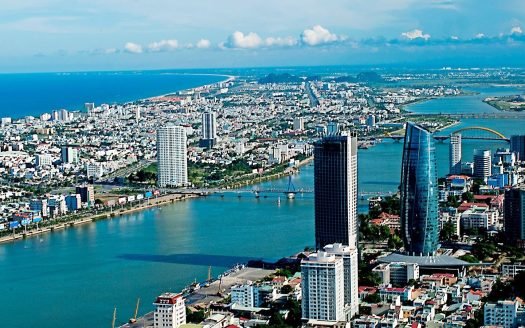
3. Da Nang: The “Free Trade Zone” Catalyst

Da Nang is the breakout star of 2026. The establishment of the Da Nang Free Trade Zone has triggered a new wave of industrial and professional migration.
- Investment Profile: A hybrid of lifestyle “second homes” and professional rental housing.
- The 2026 Edge: Infrastructure projects like the Lien Chieu Port expansion have turned Da Nang into more than just a tourist town—it is now a legitimate commercial hub with year-round occupancy.
- Key Property Type: Beachfront apartments and “Integrated Resort” units.
4. Nha Trang: The Return of the International Traveler
After a quiet few years, Nha Trang is seeing a massive tourism recovery, specifically with the return of East Asian and European visitors.
- Investment Profile: High-yield short-term rentals.
- The 2026 Edge: Professional property management firms have entered the market, offering “Hands-Off” investment models that are perfect for absentee owners.
- Key Property Type: Managed condotels and coastal shophouses.
5. Phu Quoc: The “Special Economic” Powerhouse
Phu Quoc remains Vietnam’s most ambitious project. In 2026, the island has moved beyond basic tourism into a high-end luxury sanctuary, often compared to Phuket or Bali.
- Investment Profile: Exclusive luxury and high-net-worth rentals.
- The 2026 Edge: Enhanced visa policies and the completion of the international airport expansion have made Phu Quoc the easiest place for foreign investors to visit and manage their assets.
- Key Property Type: Luxury villas with private pools and branded resort residences.
The 2026 Legal Landscape: Navigating the New Land Law
The January 1, 2026 milestone is a game-changer for transparency. The most significant shift is the removal of the “Dual Pricing” system, replaced by Annual Land Price Tables that reflect real market value.
- For Foreigners: While land remains state-owned, the Land Use Rights (LUR) are now more secure, with clearer procedures for extending leases beyond the initial 50 years.
- For Overseas Vietnamese (Viet Kieu): You now enjoy near-equal rights to domestic citizens, making this the best time in history to reclaim and invest in ancestral land.
Summary Comparison: Where Should You Invest?
| Location | Primary Strategy | Est. Rental Yield | Capital Growth Potential |
| HCMC | Capital Growth | 3.5% – 4.5% | Very High |
| Hanoi | Stable Income | 5.0% – 6.0% | Moderate |
| Da Nang | Hybrid / Lifestyle | 4.0% – 6.0% | High |
| Nha Trang | Tourism Yield | 6.0% – 8.0% | Moderate |
| Phu Quoc | Ultra-Luxe / ROI | 5.5% – 7.5% | High |
Conclusion
Vietnam’s real estate market in 2026 is moving toward professionalism and transparency. By focusing on hubs with synchronized infrastructure—like Thu Duc in HCMC or the Free Trade Zone in Da Nang—investors can secure assets that are resilient to market cycles.
Ready to start your journey? Browse our Curated Vietnam Listings to see active listings in these five hotspots.
F.A.Q
What are the best places to buy property in Vietnam in 2026?
The top places for buying property in Vietnam are Ho Chi Minh City, Hanoi, Da Nang, Nha Trang, and Phu Quoc. Each offers unique opportunities and growth.
Can foreigners buy property in Vietnam?
Yes, foreigners can buy property in Vietnam. But, there are rules and restrictions, like the type of property and where it is located.
What is the current state of Vietnam’s real estate market?
Vietnam’s real estate market is growing fast. This is thanks to a strong economy and more foreign investment, making it a great place to buy property.
What are the most promising property hotspots in Ho Chi Minh City?
The best areas for property investment in Ho Chi Minh City are District 1, District 2, and Thu Thiem. They offer different types and prices of properties.
How do I navigate the buying process in Hanoi?
To buy property in Hanoi, know the local rules, work with a trusted agent, and research the best areas for foreign investors.
What are the benefits of investing in Da Nang’s property market?
Da Nang is great for investors. It has tourism, beach and city properties, and easy steps to invest. It’s a top choice for property investors.
Are Nha Trang and Phu Quoc suitable for vacation home and rental investments?
Yes, Nha Trang and Phu Quoc are good for vacation homes and rentals. They have tourism and development zones, making them attractive.
How can I evaluate the property market in Vietnam?
To check the property market, look at location, infrastructure, and development zones. Also, consider tourism and rental income.