Guide to Buy a Property in Cambodia (2025)

In this guide we’ll explore the essential aspects on how to buy property in Cambodia, including legal requirements, prime locations, property options, purchasing procedures, financial planning, and risk mitigation strategies that will help you make an informed decision.
Legal Requirements for Foreign Buyers
Current Property Laws in Cambodia
Foreign ownership in Cambodia is primarily governed by the Law on Foreign Ownership (2010) and the Land Law (2001). These laws establish clear guidelines while protecting national interests and encouraging foreign investment.
Types of Ownership Available
| Ownership Type | Description | Available to Foreigners |
|---|---|---|
| Hard Title | Strongest form of ownership | No (Ground floor only) |
| Strata Title | Ownership of units above ground floor | Yes |
| Soft Title | Local ownership document | No |
| Long-term Lease | 15-50 year contracts | Yes |
Required Documentation
- Valid passport
- Visa with business/investor status
- Property sale agreement
- Bank statements proving financial capability
- Tax identification number (TIN)
- Company registration (if purchasing through a business)
Legal Restrictions and Limitations
Foreign buyers face several key restrictions:
- Cannot own ground-floor properties or land
- Limited to 70% foreign ownership in co-owned buildings
- Must purchase properties above the first floor
- Restricted from buying properties within 30km of national borders
- Required to register all transactions with the Ministry of Land Management
With these legal requirements in mind, let’s explore the best locations for property investment in Cambodia, where foreign buyers can maximize their investment potential while staying compliant with local laws.
Best Locations for Property Investment
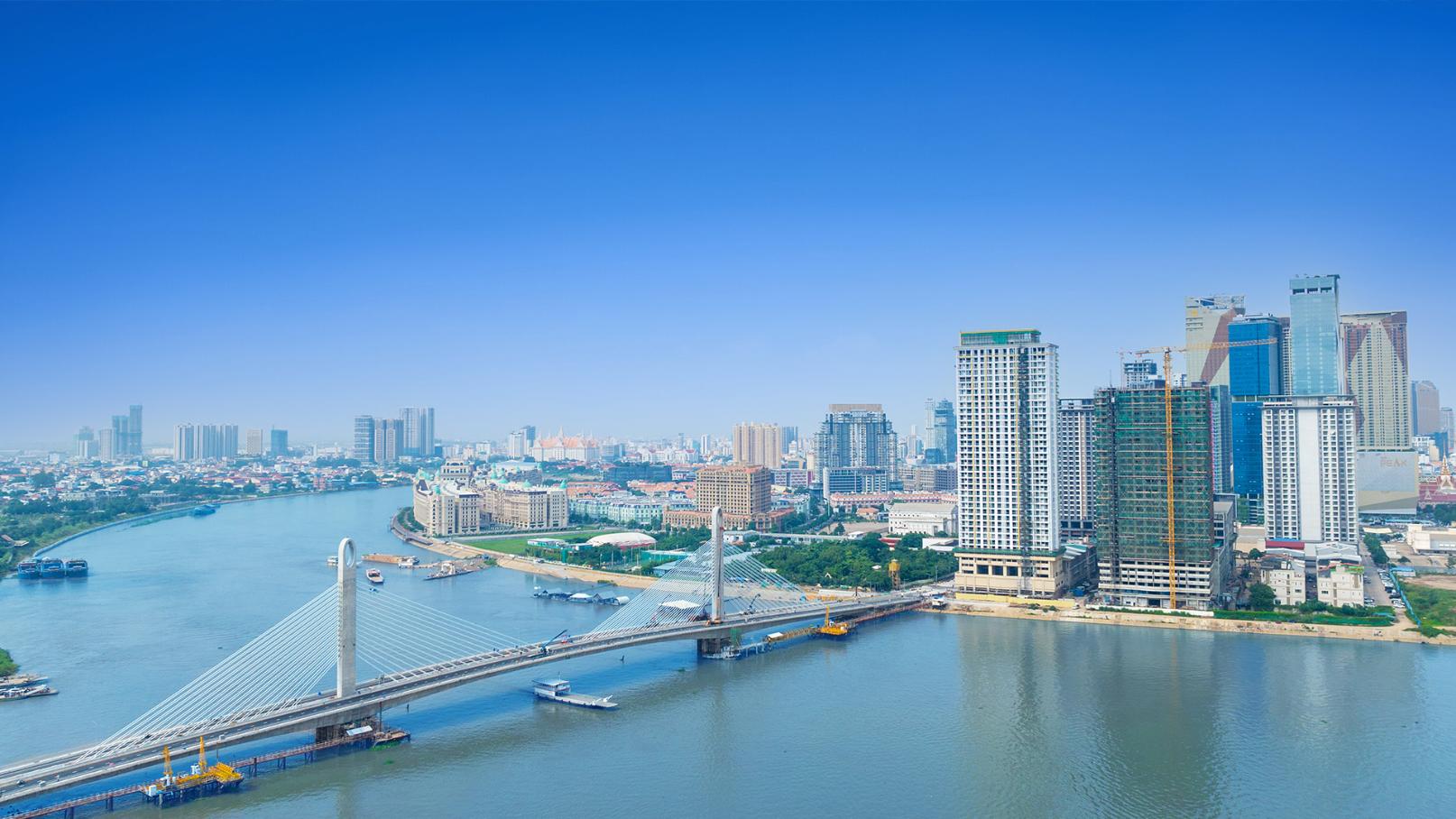
Popular Areas in Phnom Penh
Phnom Penh’s real estate market offers diverse investment opportunities across several prime locations:
- BKK1 (Boeung Keng Kang 1)
- Daun Penh District
- Tonle Bassac
- Diamond Island
| Area | Investment Appeal | Property Types |
|---|---|---|
| BKK1 | High-end expat area, stable returns | Condos, villas |
| Daun Penh | Central business district, heritage value | Shophouses, apartments |
| Tonle Bassac | Modern development, riverside location | Luxury condos |
| Diamond Island | New development, future growth | Mixed-use properties |

Coastal Property Options
Sihanoukville and Kep are emerging as significant coastal investment destinations:
- Sihanoukville: Focus on beachfront condos and hotel developments
- Kep: Boutique resorts and vacation homes with ocean views
- Kampot: Rising riverside property market
Emerging Investment Hotspots
Several areas are showing promising growth potential:
- Sen Sok District: New infrastructure development and affordable pricing
- Chroy Changvar Peninsula: Upcoming integrated developments
- Airport Area: Growing commercial and residential projects
These emerging locations offer better value for investors seeking early-market opportunities. With major infrastructure projects underway, these areas are expected to see significant appreciation in property values. Now, let’s explore the various property types available and their current market prices.
Property Types and Prices
Condominiums and Apartments
Modern condominiums in Cambodia range from $1,500 to $3,000 per square meter, with luxury units commanding higher prices. Most developments offer amenities like pools, gyms, and security services.
Land Purchases
Land prices vary significantly:
- Urban areas: $1,000-5,000 per square meter
- Suburban areas: $200-800 per square meter
- Rural areas: $20-100 per square meter
Commercial Properties
Commercial real estate options include:
- Retail spaces
- Office buildings
- Mixed-use developments
- Industrial warehouses
Price Ranges by Area
| Location | Residential ($/m²) | Commercial ($/m²) |
|---|---|---|
| Phnom Penh CBD | 2,500-4,000 | 3,000-5,000 |
| BKK/Russian Market | 1,800-2,500 | 2,000-3,000 |
| Sen Sok | 1,200-1,800 | 1,500-2,500 |
| Siem Reap Center | 1,500-2,500 | 2,000-3,500 |
Return on Investment Potential
Investment returns vary by property type:
- Luxury condos: 5-7% annual rental yield
- Mid-range apartments: 7-9% annual rental yield
- Commercial properties: 8-12% annual rental yield
- Land appreciation: 10-15% annually in prime areas
Now that you understand the property types and their price ranges in Cambodia, let’s explore the step-by-step buying process to help you make your investment a reality.

Step-by-Step Buying Process
Finding a Reliable Agent
- Verify agent’s credentials with Cambodia Real Estate Association (CREA)
- Check experience with foreign buyers specifically
- Request references from previous international clients
- Ensure they speak your language and Khmer fluently
Property Inspection Guidelines
| Inspection Element | Key Considerations |
|---|---|
| Structure | Foundation integrity, wall cracks, roof condition |
| Utilities | Water pressure, electrical systems, drainage |
| Documentation | Land title authenticity, building permits |
| Location | Flood risk, infrastructure development, accessibility |
Negotiation Strategies
- Research Market Prices:
- Compare similar properties in the area
- Consider future development plans
- Factor in renovation costs
- Effective Negotiation Tactics:
- Start 10-15% below asking price
- Use local market data to support your offer
- Be prepared to walk away
- Get all agreements in writing
The process typically takes 2-3 months from initial search to final agreement. Work with your agent to prepare a comprehensive property inspection checklist, and never skip due diligence steps, regardless of how attractive the deal seems. Document everything meticulously, including all communications and agreements with the seller.
Now that you understand the buying process, let’s examine the financial considerations you’ll need to address, including payment methods and tax obligations.
Financial Considerations
Payment Methods
- Bank Transfer: Most secure method for large property transactions
- Cash Payments: Common but risky for large amounts
- Escrow Services: Recommended for buyer protection
| Payment Method | Security Level | Processing Time |
|---|---|---|
| Bank Transfer | High | 3-5 business days |
| Cash | Low | Immediate |
| Escrow | Very High | 7-10 business days |

Tax Obligations
- Property Tax: Annual rate of 0.1% for properties valued over $25,000
- Transfer Tax: 4% of property value
- Registration Tax: 4% of property value at time of title transfer
Additional Costs
- Notary fees: 0.1-0.3% of property value
- Real estate agent commission: 2-3%
- Property registration costs: $1,500-2,500
- Legal documentation: $500-1,000
Financing Options
- International banks: Limited mortgage options for foreigners
- Local banks: Require minimum 30% down payment
- Developer financing: Flexible payment plans with 10-30% down payment
- Private lending: Higher interest rates but fewer requirements
When purchasing property in Cambodia, budget for approximately 10-12% of the property value in additional costs beyond the purchase price. Most transactions require immediate payment or structured payment plans, as traditional mortgages are limited for foreign buyers. With these financial aspects covered, understanding risk management becomes crucial for protecting your investment.
Risk Management
Due Diligence Checklist
- Verify seller’s ownership documentation
- Check property history and encumbrances
- Review zoning regulations and building permits
- Inspect physical condition of property
- Confirm utility connections and access rights
- Research neighborhood development plans
Common Scams to Avoid
- Shell company ownership schemes
- Fake title documents
- Double-selling schemes
- Unauthorized property agents
- Inflated price schemes for foreigners
| Warning Sign | Action to Take |
|---|---|
| Pressure to pay in cash | Insist on official bank transfers |
| Missing documents | Request complete paper trail |
| Unusually low prices | Research market rates thoroughly |
| Reluctance for legal review | Engage a qualified lawyer |

Title Verification Process
A robust title verification involves multiple steps:
- Request original hard copy of title deed
- Verify at Cadastral Office
- Cross-check with local authorities
- Confirm no existing liens or mortgages
- Validate property boundaries
Property buyers must conduct thorough background checks on both the property and the seller. Work exclusively with licensed real estate agents and qualified legal professionals who understand Cambodian property law. Document every transaction and maintain copies of all correspondence.
Navigating Cambodia’s property market requires careful consideration of legal requirements, location choices, and financial implications. While foreigners face certain ownership restrictions, there are still numerous opportunities to invest in condominiums, long-term leases, and other property arrangements across prime locations like Phnom Penh, Siem Reap, and Sihanoukville.
Before making your investment, ensure you work with reputable real estate agents, conduct thorough due diligence, and seek professional legal counsel. By following the outlined steps and maintaining awareness of potential risks, you can make a well-informed property purchase that aligns with your investment goals in Cambodia’s growing real estate market.
You will find a lot of properties as well as regular real estate information about Cambodia on homeinvestcambodia.com