Guide to Buying Property in Thailand: The 2026 Investor’s Handbook

Thailand continues to solidify its position as the premier destination for luxury real estate in Southeast Asia as we move through 2026. With the successful expansion of long-term residency programs and a massive influx of “work-from-anywhere” professionals, the process of buying property in thailand has evolved into a sophisticated strategic move for international capital. Whether you are seeking a penthouse in Bangkok, a beachfront villa in Phuket, or a boutique retreat in Koh Samui, understanding the 2026 regulatory environment is the absolute key to a secure and profitable investment.
2026 Market Outlook
- Primary Drivers: Digital nomad growth, the Long-Term Resident (LTR) visa, and a surge in “Branded Residences.”
- Currency: The Thai Baht (THB) remains stable, while property transactions for foreigners continue to rely on strict international fund transfer protocols.
- Ownership Model: 100% Foreign Freehold (Condos) and long-term secured Leaseholds (Villas/Houses).
1. Legal Ownership: Navigating the “Chanote”
The first rule of Thai real estate is understanding what you are actually buying. In 2026, the Land Department is more digitalized than ever, but the physical title deed remains the ultimate proof of ownership.
The Chanote (Nor Sor 4 Jor)
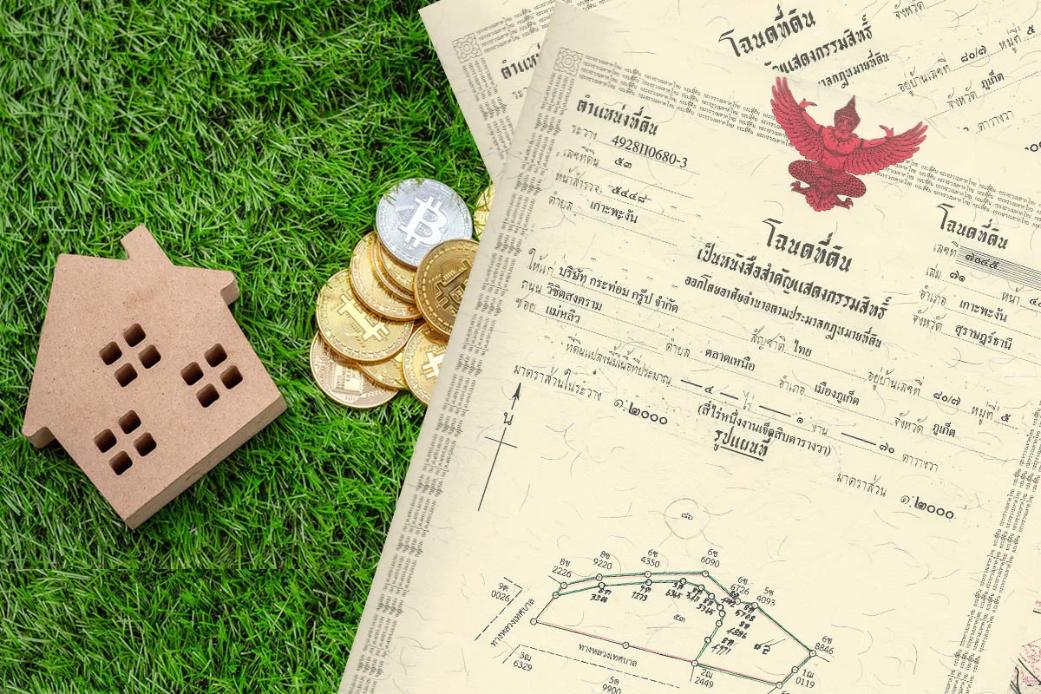
The Chanote is the gold standard of land titles in Thailand. It is a certificate of ownership that uses GPS-calculated boundary markers.
- Why it is essential: It is the only title deed that allows for full ownership rights and is the only deed that can be used as collateral for mortgages or registered for long-term leases at the Land Department.
- Expert Tip: Before any deposit is paid, your legal counsel must conduct a “Title Search” to ensure the Chanote is clear of any liens, mortgages, or hidden encumbrances.
Condominium Freehold
Foreigners can own 100% of a condominium unit in their own name, provided that the total foreign ownership in that specific building does not exceed 49% of the total floor area. This “Foreign Quota” is why condos are the most liquid and straightforward investment for international buyers. To ensure your project qualifies, you should review the specific rules for foreign condo ownership before committing to a deposit.
Land and Villas: The Leasehold Pathway
Since foreigners cannot own land in their own name, the 30-year leasehold (registered at the Land Office) is the preferred method for luxury villas.
- The 2026 Standard: Most high-end developers now offer a “30+30+30” year structure.
- Succession Planning: It is now standard practice to include a “Succession Clause” in the lease agreement, ensuring that in the event of the lessee’s passing, the lease rights are automatically transferred to their heirs.
2. The FET Form: The “Golden Ticket” for Foreigners
One of the most common mistakes investors make is not correctly documenting the arrival of their funds. To own a property in Thailand in your own name, you must prove the money came from abroad.
When you transfer foreign currency (USD, EUR, GBP, etc.) into a Thai bank, the bank converts it and issues a Foreign Exchange Transaction (FET) Form.
- The Rule: The FET form must clearly state that the purpose of the transfer is “to purchase property in Thailand.”
- The Consequence: Without this document, the Land Department will not allow you to register the property in your name, and you may face difficulties repatriating the funds when you eventually sell the property.
3. 2026 Hotspots: Where buying property in Thailand
Phuket: The Global Village
Phuket has evolved beyond a holiday destination. With international schools and world-class hospitals, it is now a primary residence for global families.
- Trending: Branded residences (managed by international hotel chains) are seeing the highest capital appreciation, as they offer hands-off management and a built-in “trust factor” for luxury tenants.
Koh Samui: The Exclusive Escape
Samui’s strict building height restrictions (limited to 12 meters in most coastal zones) have protected its “boutique” feel.
- Opportunity: High-end villas on the hillsides of Bophut and Chaweng Noi are achieving record-breaking daily rental rates due to the limited supply of premium inventory.
Hua Hin: The Royal Heritage
Long a favorite of the Bangkok elite, Hua Hin is now attracting European retirees who prefer the quiet, low-crime environment and the world-class golf courses. It offers better value-for-money per square meter compared to Phuket.
While Phuket and Samui remain favorites, the market is expanding; check our updated list of the top 5 places to buy property in Thailand to see which emerging areas are offering the best value this year.
4. The Purchasing Process: Step-by-Step
- Selection & Negotiation: Once a price is agreed upon, a Reservation Agreement is signed.
- Due Diligence: Your lawyer verifies the Chanote, building permits, and the developer’s financial standing.
- Sales and Purchase Agreement (SPA): This contract outlines the payment schedule, construction timelines (for off-plan), and penalties for delays.
- Transfer of Funds: Ensure your FET forms are collected for every single transfer.
- Registration at the Land Office: The final step where the title is transferred, and taxes are paid.
Verifying the legal status of the land is non-negotiable. We recommend following a comprehensive due diligence checklist to ensure your investment is fully protected.
5. Taxes and Fees (2026 Update)
Budgeting for an acquisition in Thailand requires a clear view of the “Closing Costs.” These are typically split between buyer and seller as follows:
| Fee Type | Rate | Responsibility |
| Transfer Fee | 2% | Usually shared 50/50 |
| Stamp Duty | 0.5% | Paid by seller (if not paying SBT) |
| Special Business Tax (SBT) | 3.3% | Paid by seller (if owned < 5 years) |
| Withholding Tax | Progressive | Usually paid by seller |
Resource: The Revenue Department of Thailand – Link: https://www.rd.go.th/english/6045.html
6. The LTR Visa: A New Era for Homeowners
The Thai government’s Long-Term Resident (LTR) Visa has significantly boosted the real estate market. High-wealth individuals and remote professionals can now stay in Thailand for 10 years.
While the visa itself doesn’t change land ownership laws, it makes opening bank accounts, getting a Thai driving license, and managing a household significantly easier, adding a layer of convenience to your property investment.
Resource: Thailand Board of Investment (BOI) – LTR Visa Portal – Link: https://ltr.boi.go.th/
Frequently Asked Questions
Can I buy a house through a Thai Limited Company?
While this was common in the past, authorities in 2026 are highly vigilant regarding “nominee” shareholders. We only recommend this path if you have a legitimate, active business in Thailand with genuine Thai partners.
What are the ongoing costs of owning a house?
Beyond the initial purchase, you should budget for:
Property Tax: Introduced in 2020, this is a very small annual tax based on the appraised value of the property.
Common Area Fees (CAM): For security, pool cleaning, and landscaping (usually 40–80 THB per sqm).
Sinking Fund: A one-time payment for major structural repairs.
Finally, the best way to secure your capital is to learn from those who came before you. Be sure to read our guide on the 7 common mistakes to avoid when buying property in Thailand before you start your search.